

Share this
by Mikaela Hickman on Nov 12, 2026, 8:45:01 AM
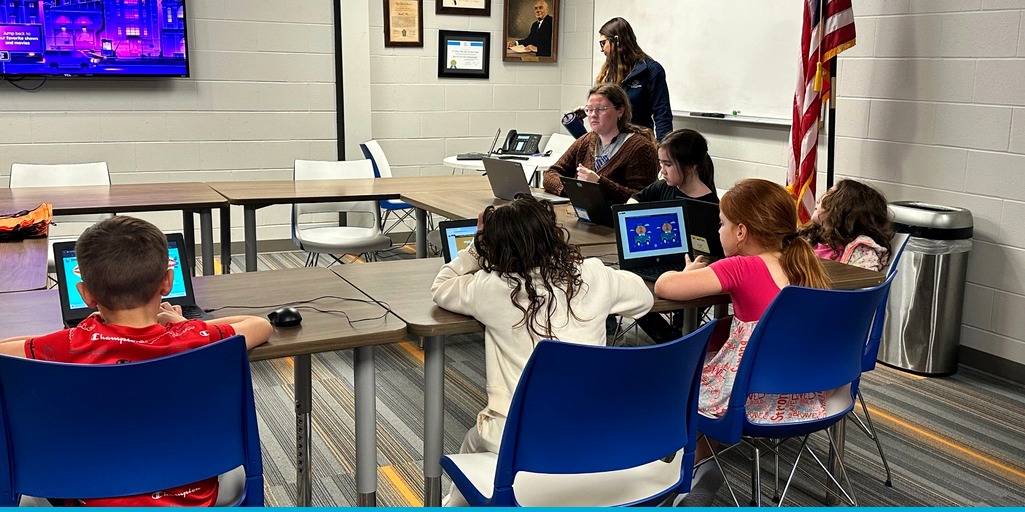
How schools, community organizations, and research-driven tutoring partners can work together to create more opportunities for children to become confident, capable readers.
For many children, the school day ends long before their opportunities to learn do.
Across the country, Boys & Girls Clubs, community centers, and other youth-serving organizations provide places where children build friendships, discover interests, connect with caring adults, and develop important life skills.
These organizations also have an opportunity to play a greater role in academic growth, particularly when it comes to reading.
As schools continue working to strengthen foundational literacy skills, community partnerships offer another way to help children receive the consistent, targeted support they need.
The question for education and community leaders is how to make that additional learning time meaningful.
The Opportunity Beyond the Classroom
The demand for quality after-school programming is substantial.
According to the Afterschool Alliance's America After 3PM 2025 report, 22.6 million children whose parents want after-school programming are not participating, highlighting a significant gap between family demand and available opportunities.
For children who do participate, these programs can provide something particularly valuable: established routines, trusted adults, and environments where children feel connected.
Those qualities matter when introducing academic support.
The National Student Support Accelerator (NSSA) at Stanford University identifies strong relationships with children and families, consistent participation, and existing connections to schools as important strengths that out-of-school-time organizations can build upon when implementing high-impact tutoring.
These are advantages many community organizations already possess. The opportunity is to link those strengths with effective instructional practices.
Turning Additional Time Into Meaningful Learning
More time alone does not guarantee stronger reading skills.
The quality, consistency, and structure of the learning experience matter.
High-impact tutoring is particularly promising because it brings together several research-supported elements: frequent sessions, consistent tutors, high-quality instructional materials, and data-informed instruction.
NSSA's High-Impact Tutoring: Out-of-School Time Playbook recognizes that tutoring delivered outside the traditional school day can support academic growth when the necessary structures are in place to maintain participation and engagement.
That distinction is important.
A successful after-school reading initiative requires thoughtful scheduling, appropriate instructional materials, qualified and supported tutors, and a way to monitor progress.
Community organizations also have to balance tutoring with the enrichment activities, relationships, and experiences that make their programs valuable in the first place.
When these elements work together, tutoring can become a natural extension of the support children already receive.
Why Community Partnerships Matter
Schools and community organizations bring different strengths to the table. Schools understand learning standards, academic expectations, and the instructional needs of the children they serve. Community organizations often have established relationships with families, familiar gathering spaces, and programming that encourages children to participate consistently. Research-driven tutoring partners can contribute structured instruction, academic resources, ongoing implementation support, and tools for monitoring progress. Together, these strengths can help address several common challenges associated with providing additional academic support.
Access:
Offering tutoring within existing community programs can create opportunities for children to receive support in places they already attend.
Consistency:
Established schedules and relationships may help organizations maintain the regular participation necessary for tutoring to be effective.
Engagement:
Familiar environments and supportive adults can help make academic experiences feel welcoming and encouraging.
Implementation:
Partnerships allow organizations to draw upon complementary expertise rather than expecting any single organization to manage every aspect of a tutoring initiative.
Of course, these benefits depend on effective coordination. Community leaders and tutoring partners must communicate regularly, establish clear responsibilities, and monitor whether children are receiving the intended amount of instruction.
The goal is a connected approach that builds upon the strengths of each organization.
From One Community to an Entire State
Oklahoma offers a timely example of what these partnerships can look like.
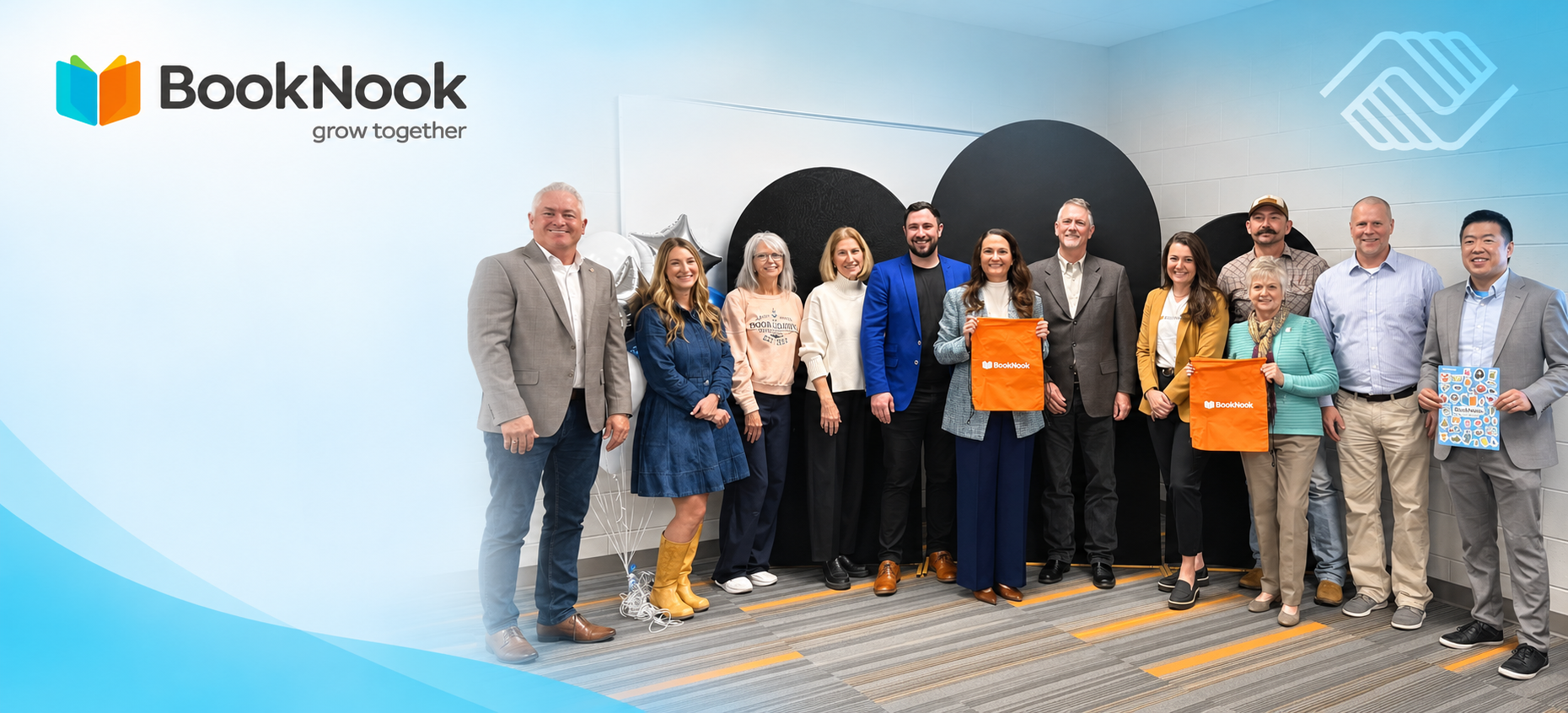
What began several years ago as a collaboration between BookNook and Boys & Girls Clubs of Oklahoma County has grown into an expanded initiative with the Oklahoma Alliance of Boys & Girls Clubs. The expanded partnership now encompasses approximately 5,400 Club Kids across 75 Boys & Girls Clubs sites in Oklahoma.

At the C.J. "Pete" Silas Boys & Girls Club in Bartlesville on November 9, 2026, Club leaders and BookNook representatives gathered to recognize the expansion and observe Club Kids participating in reading lessons. The initiative supports the Boys & Girls Clubs' Academic Success pillar by incorporating structured reading support into established community programs.
Through BookNook, participating Clubs can provide live, small-group reading tutoring focused on strengthening foundational literacy skills. The expansion illustrates how an established local partnership can provide a foundation for reaching additional communities.
It also presents an important opportunity to examine implementation across multiple sites, monitor participation, and understand how consistent reading support can contribute to academic growth over time.
What Leaders Should Consider Before Building a Partnership
For district leaders and community organizations considering similar initiatives, several questions deserve attention.
1. Are we building on existing relationships?
Consider where children already spend time, which organizations families trust, and how those relationships might support consistent participation.
2. Is the academic support grounded in research?
Look beyond the availability of tutoring. Examine instructional materials, session frequency, tutor consistency, and how instruction responds to each child's learning needs.
3. Can we make participation practical?
Scheduling, transportation, technology, staffing, and competing activities can influence whether children attend sessions consistently.
4. How will we know it's working?
Establish clear measures for participation, instructional progress, and reading growth from the beginning. Regular communication between partners helps identify challenges before they become barriers.
5. Can the model grow without compromising quality?
Successful expansion requires more than adding locations. Leaders need consistent implementation expectations, ongoing support, and meaningful visibility into program performance.
These questions help organizations create partnerships that are sustainable, measurable, and responsive to the communities they serve.
A Shared Commitment to Stronger Readers
Literacy development is a shared priority for schools, families, and the organizations that serve children beyond the classroom.
Community-based programs have an important role to play because learning happens through many experiences, relationships, and environments.
When those existing strengths are connected with structured, research-driven tutoring, organizations can create additional opportunities for children to develop the reading skills and confidence they need.
The expansion across Oklahoma is one example of what can happen when organizations share a commitment to academic success and work together to put that commitment into practice.
For leaders considering their next steps, the opportunity may begin with a simple question:
What could we accomplish for children if we connected the strengths of the organizations already serving them?
Research & Resources
National Student Support Accelerator, Stanford University. High-Impact Tutoring: Out-of-School Time Playbook.
https://nssa.stanford.edu/ost-playbook
Afterschool Alliance. America After 3PM, Fifth Edition: Lost Opportunity, Afterschool in Demand, but Out of Reach for Many. (2025).
https://afterschoolalliance.org/documents/AA3PM-2025/AA3PM-Lost-Opportunity-Afterschool-in-Demand-But-Out-of-Reach-for-Many-Executive-Summary-2025.pdf